
Picking the right beginner friendly backpacking route is the absolute most important decision you will make before heading out alone. A bad route choice can instantly turn excitement into sheer panic by day two. My very first solo trip completely imploded after I caught the wrong regional bus. I spent that night crying in a dirty hostel bathroom. That disaster taught me exactly what makes a specific route forgiving when you have zero backup. These eleven routes fix all the massive mistakes I made on that first trip.
What Actually Makes a Route Beginner Friendly
A solid route earns a spot on this list for highly specific reasons beyond just pretty scenery. Reliable local transport connections are massively important. Missing a single bus should never derail your entire week of planning.
Having established hostel infrastructure with a natural social scene is also crucial. It prevents that deep loneliness that hits solo travelers on day three. It helps if English is common enough that you can easily buy a train ticket without getting totally stranded. The routes below nail all three of these requirements.
1. The Banana Pancake Trail, Southeast Asia
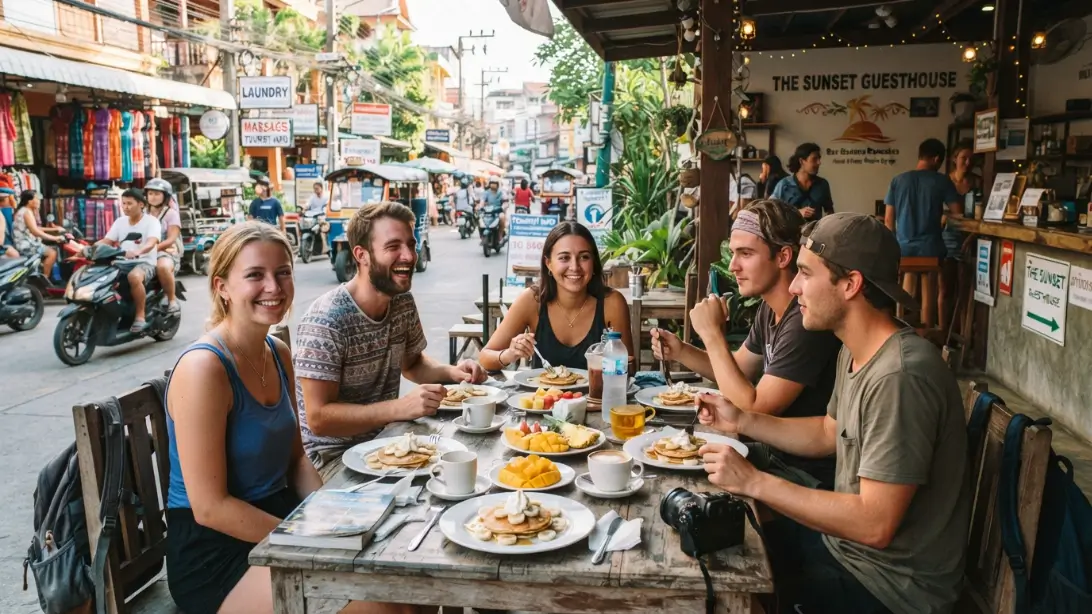
This loose trail runs through Thailand, Laos, Vietnam, and Cambodia. It earned that funny nickname from the literal banana pancakes served at basically every single guesthouse along the way. That heavy predictability is exactly what you want for a first trip alone.
Local buses, cheap trains, and slow overnight ferries connect every major city with zero stress. The sheer volume of solo backpackers on this route is staggering. You will definitely have a dinner companion by your very first evening.
2. The Camino de Santiago, Spain
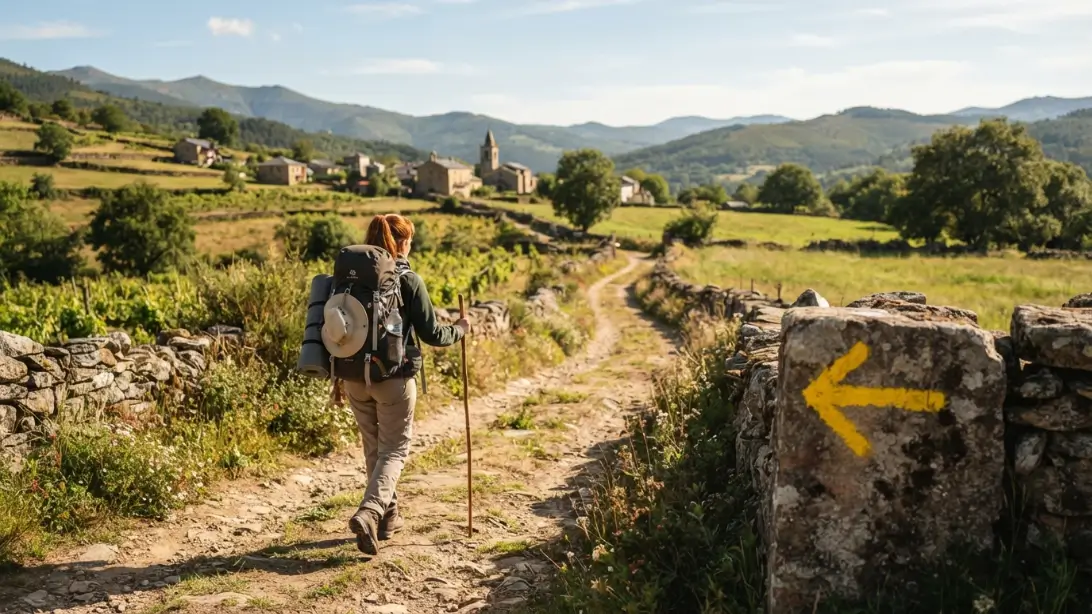
Very few routes are more forgiving for an anxious solo traveler than the Camino. Bright yellow arrows and scallop shell markers physically guide you the entire way across the country. That removes all the terrifying navigation stress that ruins other hiking trips.
The small albergues along the route exist specifically to house solo pilgrims. They host large communal dinners every night. Walking a shorter section like the final 100 kilometers from Sarria works perfectly if the full route feels too intimidating.
3. The West Coast of New Zealand
New Zealand has highly organized hiking trails and a brilliant InterCity bus network. That combination makes it one of the absolute best spots for English-speaking solo travelers. Hostels here have a deeply established culture of independent travel.
The massive communal kitchens make meeting new friends completely effortless. I never once felt unsafe walking around alone here. The population is quite small outside the main cities. Locals naturally tend to look out for tourists passing through their towns.
4. The Balkan Loop
This loop starts in Croatia and winds down through Bosnia, Montenegro, and Albania. It gives a first-time backpacker massive mountain scenery and incredibly low daily costs. Cheap local buses connect nearly every single town without much hassle.
English is widely spoken inside the hostels even if locals on the street do not speak it. This region totally shocked me with how easy it was to navigate. The tight geography means you can see several countries in just two weeks without rushing.
5. The Inca Trail Alternative, Peru
The classic Inca Trail is always fully booked months in advance. Routes like the Lares Trek or Salkantay offer that same stunning approach to Machu Picchu without the insane planning requirements. You can easily book a guided group trek the minute you arrive in Cusco.
Booking a group trek solves the solo safety issue entirely while keeping the adventure alive. Joining a guided crew also gives you instant travel buddies for a few days. That setup heavily eases the transition for someone totally new to solo travel.
6. The Garden Route, South Africa
This beautiful coastal drive between Cape Town and Port Elizabeth follows one single clear highway. It is basically impossible to get lost even if you have zero map skills. The Baz Bus is a hop-on hop-off shuttle service built strictly for backpackers.
That shuttle stops directly at the front door of major hostels along the entire coast. That single specific feature makes this one of the most forgiving routes I have ever done. It completely removes the massive headache of figuring out confusing public transit systems alone.
7. The Ring Road, Iceland
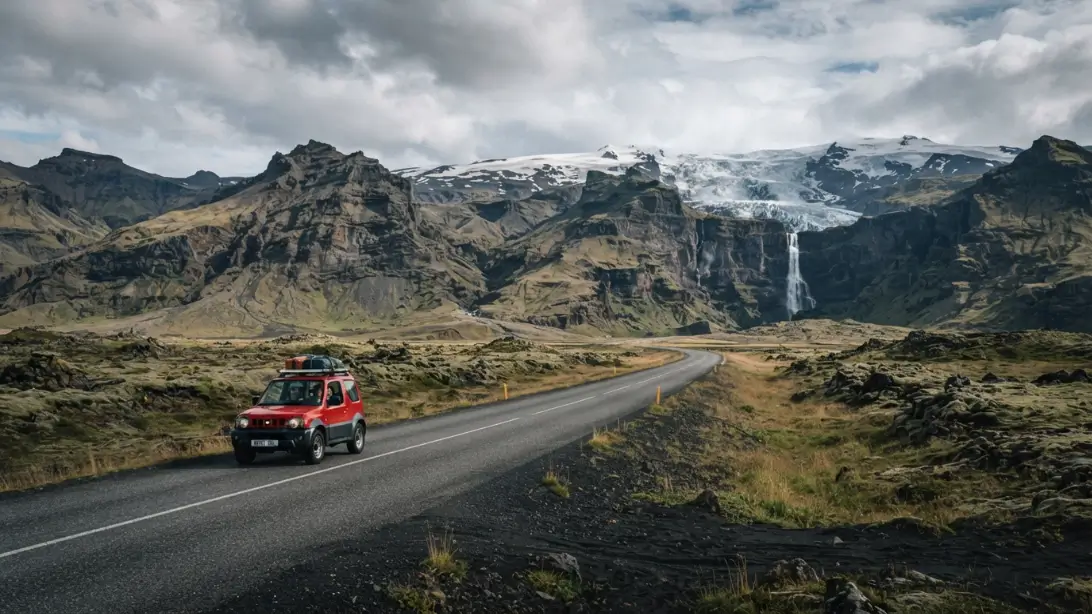
Iceland has exactly one main road looping the entire island. That makes navigation as simple as driving gets. You can rent a small car or join a shared shuttle van to hit every major waterfall and glacier.
The hostel network is heavily developed here. Solo travelers rarely go a single night without meeting someone in the common room. The crime rates are practically non-existent. This was one of the few places where I felt totally comfortable exploring entirely by myself.
8. The Golden Triangle, India
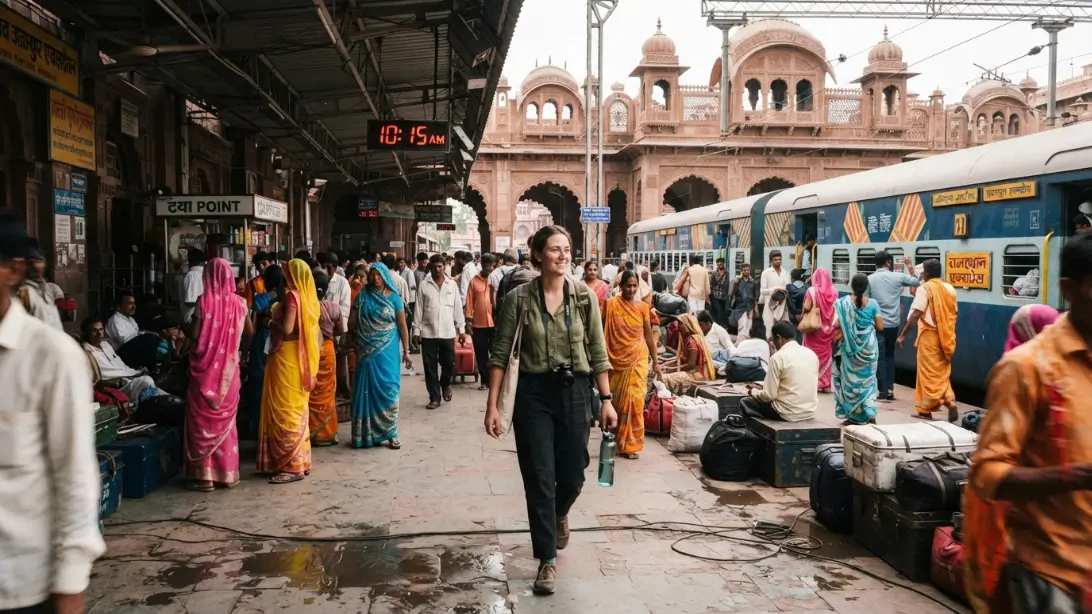
Delhi, Agra, and Jaipur form a heavily trodden triangle connected by solid train lines. It serves as a highly manageable entry point into India for first-timers. The sheer size of the country can easily overwhelm a beginner otherwise.
The tourist infrastructure inside this specific triangle is totally dialed in. Hostels are extremely used to hosting solo Western travelers. Using specific tourist apps to book trains completely smoothed out the confusing rail system. I met other solo travelers on every single train car.
9. The Dalmatian Coast, Croatia
Fast ferries and coastal buses connect Split, Hvar, and Dubrovnik. The route just follows the water straight down the coast. Hostels along this stretch specifically cater to a younger crowd.
They organize massive boat parties and nightly pub crawls. That structure makes socializing completely effortless even if you are naturally shy. This was my easiest trip simply because it required basically zero independent navigation. You just have to pick the right ferry time.
10. The Annapurna Circuit, Nepal (shortened version)
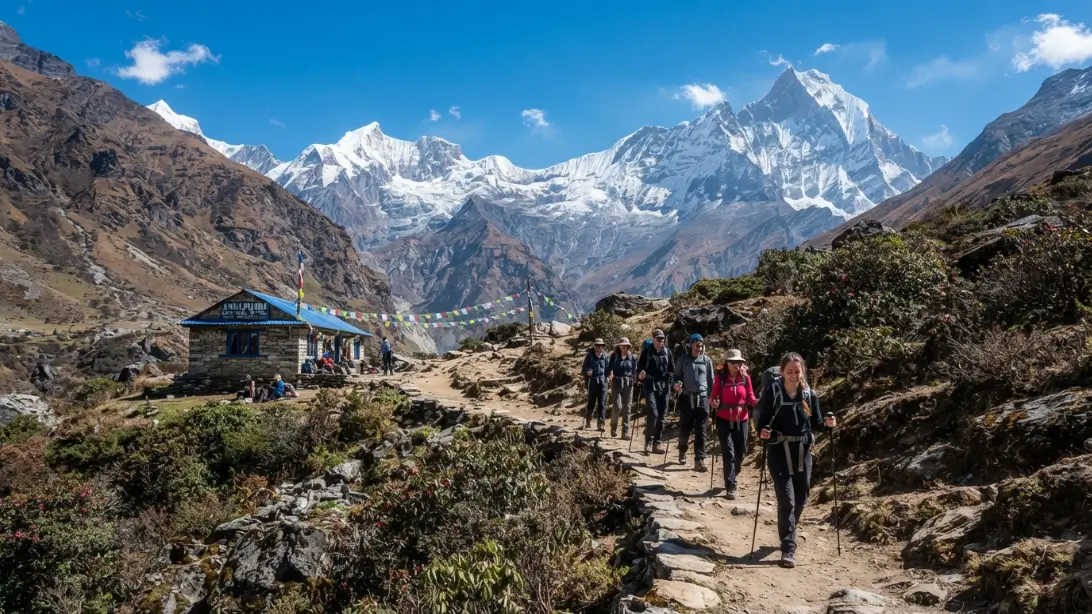
Skip the grueling multi-week circuit and just do the shortened hike to Annapurna Base Camp. You still get that massive Himalayan mountain scenery. The trails are heavily marked and tiny tea houses are spaced closely together.
Solo hikers rarely feel totally isolated out there. People naturally form loose walking groups along the trail. Hiring a local guide is not strictly required but I highly recommend it. It adds a huge layer of safety and local insight that most beginners desperately need.
11. The East Coast Trail, Australia
Taking a bus straight up the coast from Sydney to Cairns is incredibly linear. Greyhound and Premier bus passes let you hop on and off wherever you want. The hostel scene along this specific stretch of highway is massive.
You rarely spend an evening alone unless you actively lock yourself in your room. This route was my very first international solo trip. The reliable transport and huge backpacker community completely removed every single beginner obstacle at once.
Small Habits That Make Any Route Easier Solo
A few specific habits heavily improved my solo travel game. Always book your first two nights of accommodation before you land in a new country. That single rule removes a massive chunk of day one anxiety. I also text a rough itinerary to someone back home without fail.
I totally stopped trusting old guidebooks for bus schedules. Hostel workers always know the real-time transit updates much better than a printed book. None of these routes require you to be an expert backpacker. You just have to buy the ticket.
FAQs
What are the safest beginner friendly backpacking routes for solo travelers?
The West Coast of New Zealand, Iceland’s Ring Road, and the Camino de Santiago rank highest for pure safety. The crime rates are incredibly low and the navigation is completely straightforward. Those spots make it very easy to meet people without compromising your physical security.
How long should a first solo backpacking trip be?
Aim for two or three full weeks. That is enough time to actually settle into a decent rhythm without burning out entirely. Shorter routes like the Balkan Loop or the Dalmatian Coast fit perfectly into that specific timeline.
Do I need backpacking experience before attempting these routes?
You definitely do not need prior experience. Every route on this list was designed to be easily manageable for total beginners. The reliable transport and heavy hostel presence act as a massive safety net. Being adaptable matters way more than knowing how to pitch a tent.
Is it hard to meet other travelers on a solo backpacking route?
It is incredibly easy on these specific routes. Hostel culture along the Banana Pancake Trail and the Dalmatian Coast basically forces you to meet people. Even heavily introverted travelers usually find a dinner group by day two.
What should I pack differently for a solo backpacking trip versus traveling with others?
You need to be slightly more organized. You do not have a buddy to split the weight of heavy items like sunscreen or adapters. A cheap portable door lock and a solid offline maps app became mandatory items for me once I started traveling totally alone.
Which route is best for someone nervous about their very first solo trip?
The Camino de Santiago is by far the gentlest starting point. You just follow the constant trail markers and walk a set distance every single day. The built-in community of fellow walkers completely removes the heavy logistical guesswork that ruins most first trips.
Taking That First Solo Step
Picking a highly established route does all the heavy lifting for you. It leaves you actual mental energy to enjoy the new country instead of white-knuckling a bus map alone in the dark. Start with whichever trail matches your current comfort level. You can let the confidence from that first successful trip push you toward something wilder next year. Which of these routes looks like your starting line?