Most travel advice completely ignores the specific anxiety that hits weeks before you actually pack a bag. I mean those racing thoughts that keep you awake at 2am. Your brain just starts running through every single terrible scenario. I used to cancel my flights over that exact feeling. Sometimes I bailed just days before my departure date. Figuring out how to actually get on a plane took serious effort. It also involved a couple of real panic attacks hiding in crowded airport bathrooms. These ten habits finally made travel possible for me.
1. Build a Buffer Into Every Single Step
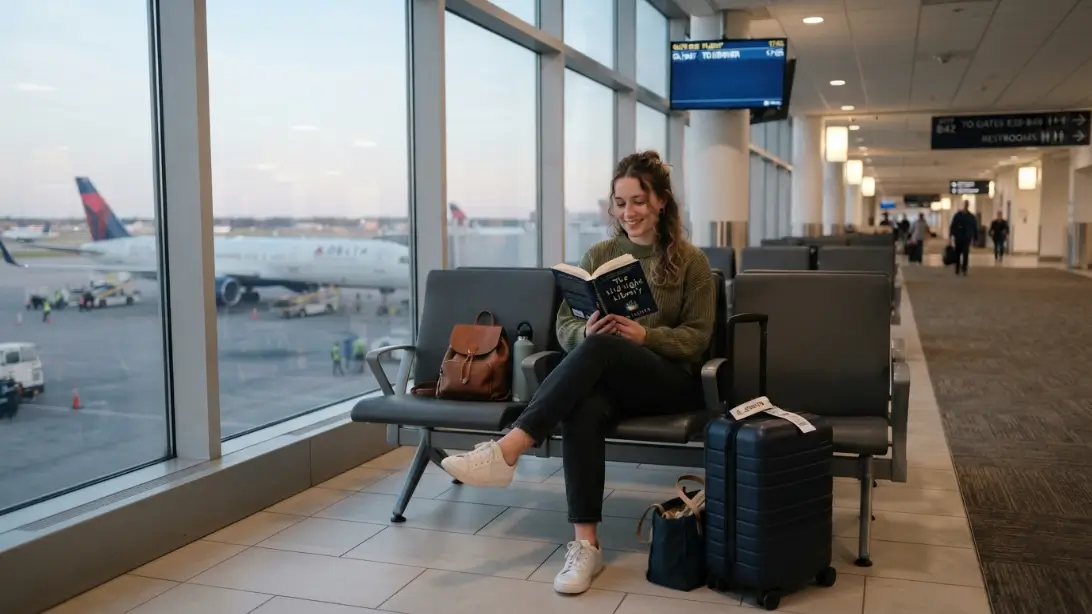
Feeling rushed feeds my panic instantly. I completely stopped cutting my timelines close. Getting to the departure gate two full hours early gives me time to breathe. Booking a hotel right next to the train station removes a huge layer of stress. Taking away those unpredictable transit moments keeps my heart rate down.
I also leave one completely blank day in the middle of any long vacation. A rough mental health day will not ruin the entire schedule if you plan for it.
2. Create a Pre-Trip Checklist You Actually Trust
The intense fear of forgetting my passport used to keep me awake. I finally created a master packing document on my phone. Trying to hold every detail in your head is a guaranteed way to stress out. I tick off my medication and chargers from the exact same list before every single flight.
Building a system you trust stops your brain from looping over the same worries. That simple note on my phone practically cured my midnight packing spirals.
3. Research the Exact First Hour of Arrival
Walking into an unfamiliar airport triggers my absolute worst panic response. I started mapping out my exact moves for the moment the plane doors open. I figure out exactly which terminal exit I need to use. I look up street-level photos of the local train station on Google Maps.
Removing those massive unknowns makes a heavy travel day feel much lighter. Getting off the plane is usually where the panic hits the hardest. Having a strict arrival plan changes everything.
4. Pack a Small Comfort Kit

I carry a tiny zipper pouch with me on every single flight. It holds a few specific items that genuinely calm my nervous system. I pack mint chewing gum and a printed photo of my dog. I also keep a heavy podcast playlist downloaded just in case the airport wifi completely fails.
Finding yourself stuck on a crowded train feels claustrophobic. Reaching into your bag for something deeply familiar gives your hands something to do. It forces your brain to focus on physical reality instead of a panic attack.
5. Practice the Trip Mentally Before You Go
Doing a mental run-through of the airport takes a huge amount of edge off the actual event. I visualize myself standing in the security line. I picture the boarding process. Imagining a normal taxi ride to the hotel makes the real thing feel less intimidating.
This sounds a little silly but it works incredibly well. I force myself to picture the day going perfectly. My brain naturally wants to imagine a total disaster. Training yourself to visualize a boring travel day takes some serious practice.
6. Choose Direct Flights and Shorter Travel Days Whenever Possible
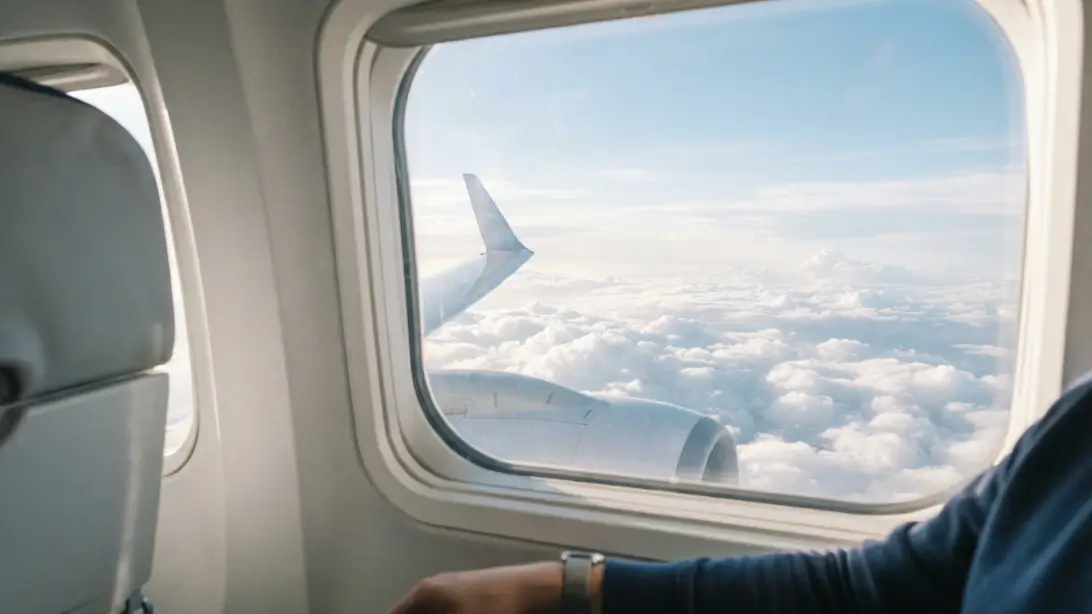
Layovers just add terrible variables to an already stressful situation. A connecting flight means risking delays and dealing with a second boarding process. All those extra decisions just feed your inner panic monitor. I happily pay extra cash for direct routes now. That peace of mind is worth every single penny.
Breaking a massive journey into shorter days helps immensely. Running a 24-hour transit marathon will completely fry your nervous system before the vacation even starts.
7. Tell Someone Your Real Timeline
I had a really rough solo trip a few years ago. That experience forced me to start sharing my full itinerary with a friend back home. I send them my exact flight numbers and the hotel address. Knowing someone else holds that information removes a huge layer of silent worry.
I also send a quick text update once a day. It forces me to pause and actually evaluate my mood. Those check-ins keep my silent anxiety from running totally unchecked in the background.
8. Use Grounding Techniques Before You Even Feel Anxious
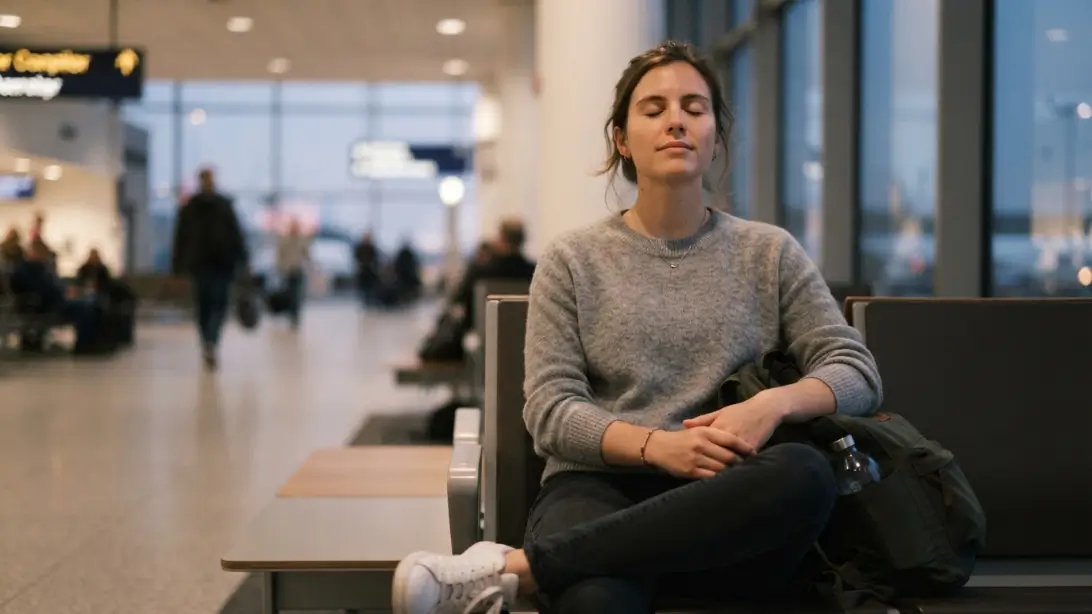
Trying to fix a panic attack after it starts is incredibly difficult. I started using basic grounding exercises on a strict schedule instead of waiting for a trigger. I will sit at the boarding gate and practice slow breathing. I consciously list physical objects I can see around the room.
Doing this while you are actually calm keeps your baseline heart rate much steadier. Being proactive completely changed how my body reacts to airport crowds. It might be the most powerful habit I ever picked up.
9. Give Yourself Permission to Change the Plan

Feeling trapped in a rigid vacation schedule used to send me into a tailspin. I felt forced to attend every tour just because I already paid for the ticket. Booking flexible hotel rates completely changed that dynamic. The intense pressure to push through a bad mental health day vanished.
Staying in bed because the city crowds feel overwhelming is perfectly fine. You are not failing at traveling. Giving yourself the grace to cancel plans is a massive relief for a highly anxious mind.
10. Know Your Personal Warning Signs
You have to learn how your body physically reacts to stress. My personal warning signs are a tight chest and a strong urge to hide in my hotel room. Catching those signals early gives me a chance to intervene.
Taking a fast walk around the block usually helps. Calling a friend or sitting in a quiet cafe for ten minutes can stop the spiral completely. Everyone reacts differently to being overwhelmed. Doing a small weekend road trip helps you map out your personal triggers before booking a major flight.
When Anxiety Feels Bigger Than a Checklist Can Fix
Basic packing habits will definitely help with standard airport logistics. They cannot replace actual medical support. Sometimes your anxiety bleeds into your normal daily life. A good therapist can give you coping tools that go way beyond a simple luggage checklist. Getting professional help is a deeply valid choice whether you have a vacation booked or not.
FAQs
What are the best stress free travel tips for beginners with severe anxiety on their first solo trip?
Adding a lot of extra buffer time to your schedule makes a massive difference. Map out your exact transit route from the airport to your hotel. Pack a small zipper bag with familiar items that calm your nerves. Those specific moves will protect your peace on a first attempt. Booking a flight to a city just a few hours away keeps the stakes low while you build up your travel confidence.
Should I tell my travel companions about my travel anxiety?
Telling your friends about your panic triggers is highly recommended. It gives them the right context if you suddenly need to cancel an afternoon tour. They will understand why you need an extra hour to rest in the hotel. Most people are incredibly supportive once they know what you are dealing with internally.
Are direct flights really worth the extra cost for anxious travelers?
Direct routes are almost always worth the premium price tag. Layovers throw totally random variables into your schedule. You risk delayed connections and confusing secondary boarding gates. The extra cash you spend on a direct ticket buys you a significantly calmer afternoon.
What should go in a travel anxiety comfort kit?
Focus on small objects that actively engage your physical senses. Pack a simple puzzle toy or download a favorite movie to your phone. Mint gum and a familiar photograph work really well too. You just want something that forces your brain to focus on physical reality instead of a racing heartbeat.
Is it normal to still feel anxious even after using all these strategies?
It is completely normal. Building these habits will lower the overall intensity of your panic. They do not act as a magical cure that deletes your stress entirely. Real progress just means you recover from a spiral much faster than you used to.
When should I consider talking to a professional about travel anxiety?
Talk to a doctor if your panic prevents you from ever leaving home. Severe stress that ruins your normal daily routine requires real intervention. A licensed therapist can offer heavy support that basic packing tips simply cannot provide. Seeking help is a smart move even if you have zero flights booked.
Conclusion
These specific habits did not delete my panic entirely. They did transform the airport from a nightmare scenario into something totally manageable. I actually look forward to boarding airplanes now. Pick one or two tricks from this list and test them out on your next drive. You can build up your tolerance over time. Managing heavy panic takes a lot of practice. Which trick are you going to test out on your next vacation?